
Introduction
Understanding the evolution of the world between 2025-2008 is not just an exercise in memorizing random historical facts; its a journey through global transformation, economic turmoil, technological acceleration, social transformation and political restructuring… Guess what? a bunch of students, analysts, researchers and curious , curious individuals search , search for the term “2008-2025” because they want to compare how radically the world has changed in seventeen years. This period includes the dramatic recession, the advent of smartphones, the explosion of social media, massive breakthroughs in artificial intelligence, massive , massive climate awareness and the transformation of labor markets.
Seriously, When evaluating this , this timeline, the contrast between the two eras helps predict future patterns. This article covers technology, education, politics, economics, and everyday life, providing a comprehensive, fact-based narrative. By the end, you’ll have a clear understanding of why the year 2025 doesn’t look like 2008, and how the decisions, inventions, and crises of those years shaped the world , world we live in today.
Table of Contents
What does 2025-2008 actually mean?
When people look at this extraordinary scale, they usually point to a comparison of two major global situations: the world , world in 2008 and the world we expect , expect or will live in by 2025… The goal is to analyze what has changed, what has improved, and what challenges are growing. 2008 was dominated by the global financial crisis, the mainstream use of social media, the early adoption of smartphones, and traditional industries that continue to define work culture.

In contrast, 2025 is an era of automation, artificial intelligence, remote outsourcing, digital currencies, cloud ecosystems, and rising geopolitical tensions. You know what? The seventeen-year difference MAY seem short, but its technologically equivalent to centuries of development in previous eras.
Global Economic Shift from 2025-2008
In 2025-2008, the world faced the worst , worst financial collapse since the Great Depression. You know what? The big banks collapsed, the unemployment rate rose, and public confidence in financial structures evaporated. Governments responded with bailouts and strict monetary reforms. This crisis has forced , forced innovations such as tighter controls, risk , risk management models and the acceleration of digital payments.
Like, By 2025, economies will diversify to include digital sectors such as e-commerce, fintech and cloud infrastructure. Telecommuting has become commonplace, inflation has fluctuated due to supply chain disruptions, and crypto-technology has challenged the traditional control , control of currency. Demand for workforce skills has shifted from industrial labor to programming, cyber security, artificial intelligence and digital , digital marketing.
Economic Comparison: 2025-2008
| Category | 2008 Condition | 2025 Condition |
| Banking | Traditional dependency | Digital, automated processing |
| Employment | Office-based | Remote + hybrid |
| Currency | Physical cash dominance | Digital currencies rising |
| Workforce Skill | Manual labor | Digital skill-driven |
Technology Acceleration
Technology has advanced more rapidly between these years than in any previous era. In 2008, smartphones were still new, 3G networks were developing, and cloud services were essentially a corporate luxury. Social media platforms have had limited influence on politics and business. By 2025, decision-making tools powered by artificial intelligence, neural networks and generative content will dominate the business. Emerging 5G and 6G architectures support high-speed, real-time connectivity. Smart devices monitor health, home security and even study habits. Guess what? AI is helping in customer service, education, medical analytics, cyber security and creative industries. Seriously, These huge improvements provide , provide convenience, but they also raise data protection concerns.
You know what? Transformation of the education system
The education sector has undergone a radical change. In 2025-2008, physical classrooms, handwritten notes, and in-person exams were the identity of education. Distance learning was rare , rare and digital materials supplemented it. You know what? Fast forward to 2025, and students will be in hybrid , hybrid classrooms, using artificial intelligence tutors, accessing cloud-based learning systems, and experiencing personalized learning journeys. This , This increases access globally, especially for remote communities. Digital , Digital literacy trumps handwriting skills, and access to information requires stronger critical thinking.
Education Evolution Table (2008–2025)
| Aspect | 2008 | 2025 |
| Classroom Style | Physical | Hybrid/Digital |
| Notes | Paper-based | Cloud/Multimedia |
| Learning Tools | Limited digital | AI-based systems |
| Global Interaction | Minimal | High connectivity |
Social Media Influence Expansion
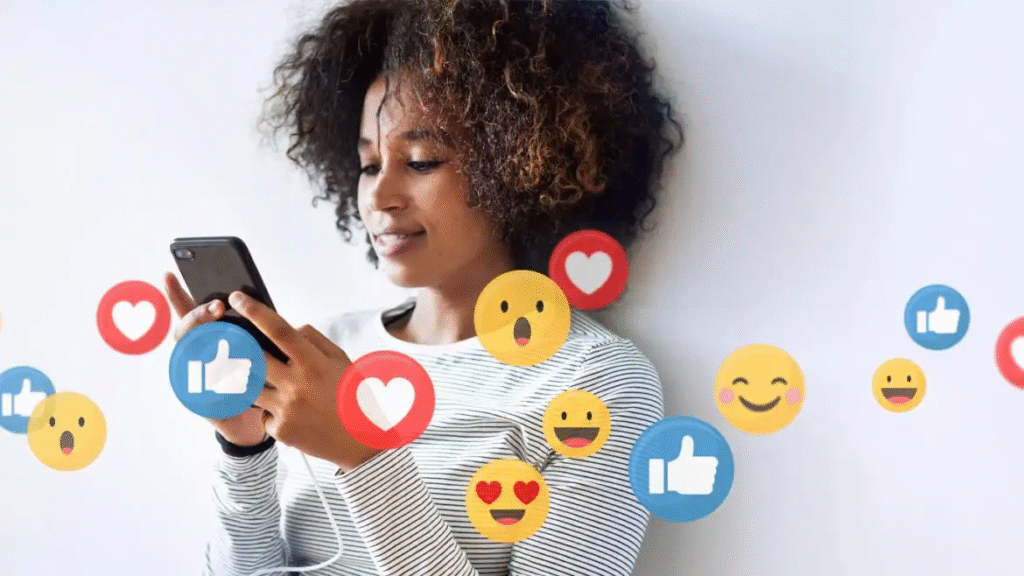
The social aspect of human interaction has been dramatically transformed. In 2025-2008, platforms like , like Facebook and Twitter , Twitter allowed people to communicate informally. Like, By 2025, social media will , will influence elections, business marketing, personal identity, and community awareness. Digital activity has increased, misinformation spreads faster, and reputational risks are severe. Seriously, Influencer culture has monetized attention to an unprecedented degree. Society became more stubborn and polarized, but also more enlightened. And oh yeah, Live , Live streaming platforms have , have replaced traditional television entertainment, while short-form content has transformed consumption habits.
- Social media became a primary news source.
- Businesses targeted consumers using AI-driven analytics.
- Personal privacy concerns escalated significantly.
Artificial Intelligence: The 2025 Identity
In 2008, artificial intelligence did not publicly exist. At the time, machine learning was limited to laboratories and enterprise analytics. By 2025-2008, AI will become your daily assistant in writing emails, analyzing medical tests, planning marketing campaigns and automating repetitive tasks. Universities have introduced AI ethics, bias , bias prevention and algorithm accountability. Global , Global labor markets have adapted, creating new career , career paths, but certain roles have , have become obsolete. The rapid growth of artificial intelligence has become akin to industrial revolutions. Like, a bunch of governments have established regulatory frameworks to ensure , ensure the safe , safe use of generative models.
Energy development and sustainability
In 2008, fossil , fossil fuels dominated global , global energy consumption. Awareness of climate change exists, but global urgency is moderate. They represented a small share of renewable sources. By 2025, climate activism has transformed political decision-making. Guess what? Innovations in solar, wind, tidal and hydrogen energy have expanded. Countries have invested in net zero carbon emissions commitments and the use of electric vehicles has increased. And oh yeah, Companies adopted , adopted environmentally friendly packaging, data , data centers optimized cooling systems, and environmental technology became , became a profitable industry. These , These developments have , have created new green jobs and technological synergies.
Work culture and labor , labor market
The work culture has developed significantly. In 2008, I defined the walls of productive offices. Commuting was expected and telecommuting was rare. Moving forward to 2025, hybrid connections between home and office , office environments will become the norm. Like, Digital collaboration platforms improve workflow efficiency. Recruiting prioritizes adaptability, digital , digital literacy and creative thinking. Like, Companies prefer employees who are constantly learning, rather than relying on fixed grades. Project-based contracts increased and the concert economy expanded.
Skills Comparison
| Skill Type | Demand in 2008 | Demand in 2025 |
| Manual labor | High | Low |
| Digital Literacy | Low | Extremely high |
| Cyber Awareness | Basic | Advanced |
| Creative Strategy | Moderate | Critical |
Healthcare Revolution
In 2008, medical , medical diagnosis was manual and telemedicine barely existed. Guess what? Hospitals had long waiting lines and limited access to specialist care. By 2025-2008, wearable devices will monitor heart rate, sugar levels and sleep patterns. You know what? Artificial intelligence analyzes medical images with extreme precision. Video consultations save time and reduce the risk of infection. Health systems integrate digital records, reduce errors and increase transparency. Like, The COVID-19 pandemic has accelerated these changes, shifting global healthcare ecosystems toward remote service models.
Changes in transportation
Public transport in 2008 relied heavily on buses, trains and petrol cars. The idea of electric cars existed, but they lacked the infrastructure. In 2025, charging stations for electric vehicles will expand rapidly. Self-driving prototypes are already operating in a controlled environment. Intelligent transport systems reduce congestion and accidents. The flights use sustainable fuel , fuel alternatives in a test environment, reducing the dependence on carbon dioxide.
The development of the political arena

Politics in 2025-2008 focused on the global , global financial crisis, terrorism fears , fears and the recession. National strategies aimed at achieving market stability. Citizens’ digital , digital political participation was limited. By 2025, social media platforms will immediately influence public opinion. Elections include cybersecurity considerations. Digital advertising is growing alongside digital transparency tools. Governments are introducing strict , strict data protection frameworks. Guess what? Citizen , Citizen voices gain power through viral messages, increasing accountability.
Cultural behavior and lifestyle
Lifestyle has changed significantly. In 2025-2008, communities began to physically interact, shopping malls attracted consumers, and DVD rentals became a popular pastime. Seriously, In 2025, digital streaming, online shopping and global gaming communities will dominate entertainment culture. Fitness apps are replacing personal trainers. Food delivery ecosystems remove barriers of distance. Families are connected more virtually, that sometimes leads to a loss of opportunities for physical bonding. – Increasing awareness of mental health, that improves emotional intelligence.
Employment Threats and Challenges
However change also causes problems. People in 2025 will face concerns about job automation unfair AI-based employment patterns and data protection risks. And oh yeah Digital addiction is on the rise making attention valuable. Like Governments are under pressure to responsibly regulate AI. Crime is becoming increasingly digital necessitating enhanced cyber security. Meanwhile inflation geopolitical conflicts and supply chain disruptions lead to economic instability.
Lessons from 2025-2008
This timeline teaches , teaches us important lessons about flexibility adaptability and innovation. Crises stimulate transformation. Like It can empower or exploit depending on the ethical use of technology. Education must constantly evolve. Sustainability cannot be delayed. Humanity develops faster when knowledge spreads freely.
Conclusion
Comparing the years 2025-2008 shows enormous progress in all the most important areas of human life… During these 17 years, society has moved from analog habits to digital intelligence, from reliance on fossils , fossils to renewed ambitions, from CLASSROOM blackboards to teachers working with artificial intelligence. Guess what? The economic environment has changed, new industries have , have emerged, and political systems have adapted to citizen power available on the Internet.
Health technology has saved lives, labor , labor markets have globalized, and transportation has become increasingly electric. However, this progress has created new challenges that require balanced regulation. And oh yeah, The journey proves that innovation is inevitable, but responsibility is mandatory. Understanding these differences helps students, analysts, and future professionals prepare for ongoing transformation. The world that began in 2008 , 2008 no longer resembles the global ecosystem of 2025, proving that knowledge that deciphers the past remains the most powerful weapon in navigating the future.
Frequently Asked Questions
1. Why is the period between 2025-2008 important?
It highlights the radical technological, political, economic, and social changes that have SHAPED , SHAPED modern global behavior.
2. that industries will change the most between 2025-2008?
Like, Technology, healthcare, finance, education, and transportation experienced the fastest transformation.
3. And oh yeah, Did artificial intelligence openly exist in 2025-2008?
Guess what? Academically, approx. And oh yeah, was, but widespread consumer use was almost absent until the end of the 2010s.
4. How has education developed over this timeline?
Seriously, Classrooms have moved from paper-based systems , systems to blended learning using artificial intelligence teachers and cloud , cloud tools.
5. Will , Will the changes continue after 2025-2008?
Yes, experts expect the pace of automation, renewable energy innovation and digital governance to accelerate.
Also Read This: To Understanding Securities Finance Market Dynamics Today