
Introduction
In the world of modern wellness and aesthetic science, cellulogia is becoming a fascinating and powerful discipline. Far from being just a beauty , beauty buzzword, cell science is about understanding what really lies beneath the skin—the cellular foundations that shape texture, firmness, and youthful radiance.
cellulogia biology, non-surgical treatments and holistic lifestyle practices, this approach seeks to restore skin health. In this , this article, we’ll explore what cellulology actually is, how it works, its benefits and risks, and how it can fit into a long-term self-care strategy. Whether you’re interested in science-backed treatments or natural ways to improve your skin, cell science offers an informed and sustainable path to smoother, healthier skin.
Table of Contents
What Is Cellulogia?
Definition and Origins
The term cellulogia consists of two parts: “cellulo-” (from cells or cellulite) and “-logia” (from the Greek logos, meaning “study”). Seriously, Essentially, this term refers to the study and practical application of treatments aimed at improving the texture of the skin, with a particular focus , focus on treating the causes of cellulite at the cellular level.
Unlike purely cosmetic treatments, cytology is not limited to hiding surface imperfections, but is rooted in understanding how skin structure, circulation and connective tissue interact at the micro (cellular) level.
The science behind cytology
How Cellulite Forms , Forms – A Cellular Perspective
To understand why cellulite treatment works, it helps to understand what , what cellulite actually is. Cellulite, also known as genetic lipodystrophy, appears as the familiar “orange peel” or dimpled , dimpled appearance, especially on the thighs, hips and abdomen.
Like, At the microscopic level:
Subcutaneous fat cells (in the layer under the skin) push against the connective tissue fibers (called palisades), creating an uneven , uneven surface.
The structural proteins of the skin – collagen and elastin – play a central role: if their network is weakened, they allow fat to protrude.
Other factors include poor lymphatic drainage, reduced circulation, inflammation, and poor integrity of the extracellular matrix.
Contributing Factors – Why Some People Get Cellulite More
Cellulite treatment does not treat cellulite superficially; You recognize the root causes:
Genetics – Genetics affect collagen density fat distribution and connective tissue behavior.
Hormonal Effects – Hormones such as estrogen or insulin can affect fat storage and connective tissue remodeling.
Lifestyle and diet – Improper nutrition dehydration and a sedentary lifestyle weaken the elasticity of the skin.
Circulation and Lymphatic Drainage – When blood circulation or lymph flow is slow waste products build up fluid retention and toxins occur that worsens the appearance of the skin.
Seriously Aging – Over , Over time collagen and elastin break down skin becomes thinner and connective tissues become less elastic.
Principles and techniques of cytology
Basic , Basic pillars of cellology
Cytology rests , rests on three fundamental pillars: scientific vision non-surgical treatment and comprehensive lifestyle.
Scientific Insight: Rooted in a cellular understanding of skin biology—how cells renew how connective tissue , tissue forms and how circulation affects skin health.
Therapeutic techniques: Instead , Instead of invasive surgery cytology favors mechanical or energy-based methods such as vacuum massage radiofrequency and lymphatic drainage – to stimulate skin regeneration.
Lifestyle integration: includes diet hydration exercise and stress management – all of that affect the skin , skin at a deeper level.
Common Methods & Treatments
Here are some of the techniques most commonly used or studied , studied under the umbrella of cytology:
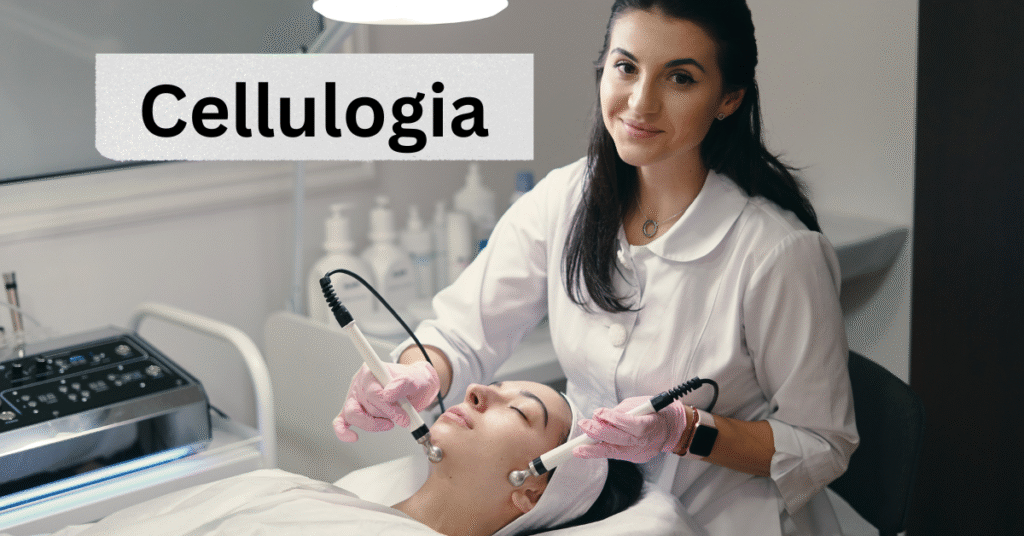
Skin massage/vacuum therapy: Use of suction and mechanical rollers to stimulate circulation and transform connective tissue.
Radio Frequency (RF) or Infrared Devices: These devices apply heat to the deeper layers of the SKIN to promote , promote collagen production and tighten , tighten the skin.
And oh yeah, Manual , Manual Lymphatic Drainage: Gentle massage moves the lymphatic fluid, reducing congestion, bloating and waste accumulation.
Topical , Topical serums and supporting products: Treatments are complemented by active creams, serums or oils rich in collagen-enhancing ingredients.
Guess what? Lifestyle: Nutrition rich in antioxidants, regular exercise, hydration and skin cleansing are integrated into the cell science philosophy.
Benefits of Embracing Cellulogia
Why People Are Drawn to This Approach
The appeal of cellulogia is that its realistic and empowering. Here are some of its main benefits:
Improves skin texture: Skin folds may become softer over , over time; Skin may appear smoother due to improved collagen structure.
Non-invasive and safe: Since a bunch , bunch of of their techniques (massage and radiofrequency) don’t require surgery, downtime is minimal and risks are lower
Holistic Wellness: Soothing Massage, Better Lymphatic Flow and Detoxification Support – Cell therapy is not just about looking, it’s about feeling healthier.
Promotes circulation and drainage: Helps remove excess fluid and toxins by promoting blood flow and lymph flow.
And oh yeah, Sustainable results: Because it targets root causes (not just symptoms), changes can last longer when combined with healthy habits.
You know what? Challenges, risks , risks and misconceptions
Things to watch out for
Cytology is not a silver bullet and understanding its limitations is key:
Time and commitment: Real progress often requires a consistent session schedule and lifestyle changes
Cost: Professional equipment or specialized massage can be expensive and may require multiple sessions.
Not universally effective: genetic , genetic predisposition or advanced skin laxity may limit the effectiveness of non-surgical methods.
And oh yeah, Marketing hype: Some providers may exaggerate “amazing” results with the name cytology – but the term itself is not an officially recognized medical specialty.
Guess , Guess what? Safety precautions: Not all methods are suitable for everyone – people with circulatory diseases, infections or certain medical conditions should consult a professional.
Clinical insights and scientific evidence
What the research tells us
While the term “cytology” is relatively new and has yet to be formally established in the medical literature, a bunch of of its core components are based on well-established science:
A Polish medical journal links similar treatments (vacuum massage, radiofrequency and lymphatic drainage) to the treatment of cellulite.
Guess what? Dermatological research often supports radiofrequency treatments to promote collagen synthesis and skin , skin tightening. (This is consistent with , with certain cytology protocols.)
Manual lymphatic drainage is a recognized practice in both physical therapy , therapy and dermatology for reducing fluid retention and improving skin health.
And oh yeah, However, the field would benefit from more cytology-based clinical trials confirming its long-term efficacy
How to Get Started With Cellulogia
A Practical Roadmap
Here’s a simple realistic plan to incorporate cytology into your lifestyle even , even if you’re just getting started:
Evaluation: See a licensed esthetician or dermatologist familiar with , with non-surgical treatments.
Guess what? Set goals: decide what you want – smoother skin less bloating better circulation etc.
Choose the methods: Depending on your goals and budget choose what you want to combine – for example massage + radio frequency + local care + lifestyle change.
Consistency: Stick to a treatment plan (like weekly or every other week for a few months) because cellular processes take time.
Lifestyle Integration: Drink plenty of water eat foods rich in collagen or antioxidants exercise regularly and reduce stress to support your skin from the inside out.
Maintenance: When clear improvement is achieved move to maintenance phase – periodic treatments + healthy habits.
Comparison of Cellulogia vs Traditional Cellulite Treatments
| Aspect | Cellulogia Approach | Traditional/Surgical Treatments |
| Invasiveness | Non-invasive (massage, RF, drainage) | Invasive (liposuction, surgical procedures) |
| Recovery Time | Minimal to none | May require downtime, risks of scarring |
| Risk Profile | Lower risk, few side‑effects | Higher risk (infection, scarring, complications) |
| Longevity of Results | Gradual, but sustainable with lifestyle support | Often more dramatic, but may also require follow-ups |
| Holistic Benefits | Improves circulation, detox, skin health | Primarily cosmetic, may not address systemic causes |
| Cost Structure | Moderate (series of non-surgical sessions) | High, depending on the procedure and facility |
Why “Cellulogia” Is Gaining Popularity
Beyond the phone number
The rise of cytology is not just a marketing ploy (although the name helps). This reflects a wider shift:
The Confluence of Wellness and Science: People are increasingly looking for scientifically valid treatments that are naturally integrated into their lifestyles.
Seriously, Non-surgical preference: There is a growing demand for effective, low-risk and minimally invasive treatments.
And oh yeah, Holistic beauty: Skin is no longer just skin, people want a connection between , between inner health and outer appearance.
Guess what? Brand innovation: The term “cellulogia” has scientific weight (“logia”), making it attractive to beauty brands and clinics that want to stand out..
Conclusion
cellulogia is a fascinating and powerful concept – not just a buzzword, but a comprehensive, science-based framework for improving skin health at the cellular level. By combining non-surgical techniques such as vacuum massage and radiofrequency techniques with lifestyle practices such as proper hydration and nutrition, it aims for long-term improvement rather than quick fixes.
Like, Although it remains more of a health and beauty trend than an officially recognized medical field, a bunch of of its cornerstones are based on real , real dermatological science. Like, However, the key to success lies in patience, consistency and realistic expectations. For those who want , want more than , than just surface beauty – who want to support their skin from the inside – cellulite offers , offers a meaningful and sustainable path.
FAQs
Is cytology a medically recognized field?
Guess what? No – “cytology” is not yet an officially recognized medical specialty.
Guess what? Does Cellulite Remove Cellulite Permanently?
Permanent removal is not guaranteed. Seriously Rather it’s aimed at improving skin texture and gradually reducing the appearance of cellulite.
How a bunch of sessions do you usually need to see noticeable results?
Like a bunch , bunch of practitioners recommend a series of treatments—for example 10 or more skin massage sessions.
Are there any risks or side effects?
Seriously Since the methods are mostly non-surgical the risks are relatively low.
And oh yeah , yeah Can you do cellology at home?
Partly yes. Lifestyle habits that are compatible with cytology – such as dry brushing hydration healthy eating and self-massage – can also be performed at home.
Also Read This; Chameleónovité: Best the World of Chameleon Species