

Introduction
In the rapidly changing digital world new platforms systems and tools appear every month each promising to simplify life znxnz open , open up new possibilities. Among these up-and-coming names Znxnz started popping up in user questions tech discussions and online forums piqued the curiosity of a bunch of people as to what its how it works and whether it offers , offers any value. As modern users demand clarity transparency and real benefits – not hype – this article explains Znnz , Znxz in a practical evidence-based style.
Whether it’s a development platform an internal tool used in organizations a code reference or an emerging digital resource people want a clear , clear explanation that feels authentic not robotic. Guess what? With the rapid development of technology understanding such , such terms has become essential especially for users , users who want to be informed without wading through , through complex terminology. This guide OFFERS just that: clear insight human-style explanations and actionable clarity.
Table of Contents
What Is Znxnz? A Clear User-Style Explanation

The term Znxnz has surfaced in discussions where people try to identify either a developing digital platform, a backend system code, or a modern experimental project name. Many tech communities use placeholder or codename-style words for projects during early development. Znnz fits that category. It typically appears in:
- Internal software testing environments
- Beta-stage digital tools
- Early documentation drafts
- Pre-launch naming cycles
These early-phase identifiers are becoming more common as companies expand faster and test multiple digital ideas simultaneously. Instead of assigning final names, developers use coded placeholders until branding teams finalize the product or tool. Because of this, Znxz often triggers curiosity—and confusion—among general users who encounter it accidentally.
Why Does Znxnz Matter Today?
Znxz matters because digital users constantly interact with systems built on hidden layers—APIs, microservices, internal dashboards, and experimental features. Even though end-users may not see them, these components influence speed, security, user experience, and even online performance. Any unknown label naturally creates questions. Users want transparency. They want to know what runs behind the scenes. They want clarity when a term appears in documentation, technical logs, or beta features.
If Zxnz represents an upcoming product, understanding its potential functions becomes important. If it’s an internal testing module, knowing its purpose prevents misinterpretation. If it’s a placeholder name, recognizing the pattern helps users avoid confusion in the future.
How Znxnz Typically Appears in Digital Systems
Early-Stage Naming Systems
Many companies assign temporary names during development. These names often follow patterns like:
- Randomized letters
- Abbreviated internal tags
- Auto-generated strings
- Non-dictionary codewords
Znnz matches this category. It resembles codewords used during:
- Prototype builds
- Cloud architecture setup
- Pre-production features
- Confidential test modules
Backend Tools and Disguised Labels
Sometimes, backend dashboards intentionally use non-descriptive labels to secure confidential features from unauthorized access. Znnz might function as:
- A module identifier
- A placeholder index
- A security-layer label
- A test marker
User-Facing Beta Components
During beta testing, the system may expose internal names by accident. This happens when:
- UI versions overlap
- Testing branches merge
- A developer forgets to rename modules
This is why users sometimes see unknown labels such as Znxz before a final name replaces it.
Possible Functional Areas Where Znxnz May Belong
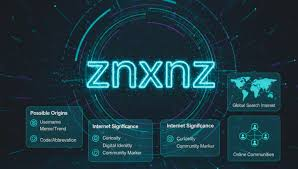
Znxnz as a Digital Resource or Tool
Zxnz might represent a digital resource that’s still evolving. Tech companies frequently test:
- Content recommendation engines
- Search-related features
- Analytics dashboards
- Micro-applications inside larger ecosystems
If Znnz belongs to this category, it may aim to simplify processes by offering:
- Faster handling of tasks
- Enhanced automation
- Modern data flow mechanisms
- Improved user insight generation
Znxnz as a System Code or Internal Feature
Many platforms adopt coded labels to track feature deployment cycles. Znxn could appear inside:
- Log files
- Admin panels
- Backend configuration sheets
- Developer change logs
In such cases, the name is functional, not branding-oriented.
Where Users Commonly Encounter Terms Like Znxnz
Below is a simple table showing real-world areas where such placeholder terms appear:
Common Places Where Codenames Appear
| Area | Why It Appears There |
| Beta Apps | Testing unfinished tools or features |
| Browser Dev Tools | Internal tags visible during debugging |
| Cloud Consoles | Module grouping before final naming |
| Startup Projects | Temporary identifiers before branding |
| API Documentation | Placeholder endpoints in draft versions |
How Znxnz Fits into Modern Tech Patterns
Technological development moves quickly. Teams release updates weekly, sometimes daily. Because of this speed, temporary labels remain visible longer than planned. Znnz represents a growing trend:
Rapid Prototyping Culture
Companies now design, test, and revise tools at extreme speed. Temporary identifiers help teams track progress without spending time on branding.
Cloud-Based Modular Architecture
Modern applications consist of dozens of micro-modules. Each module needs a unique identifier, often a randomized one. Znnz can be an identifier in:
- Docker containers
- Lambda functions
- Database clusters
- Microservice endpoints
Security Through Obscurity
Some backend systems intentionally avoid naming sensitive modules clearly. Using vague names such as Znxnz prevents attackers from guessing a feature’s purpose.
Realistic Scenarios Showing How Znxnz Might Be Used

A Startup’s Internal Dashboard
A small tech startup launches an analytics tool. Before branding, developers label modules as Znnz-001 or Znxz-002. A tester screenshots the dashboard and shares it on a forum, triggering public curiosity.
An Accidental Production Push
A beta feature carrying the placeholder Znnz appears temporarily in the UI. Users see it before the development team updates the name.
API Draft Documentation
Developers publish the first version of an API doc. Endpoints include names like Later, the name gets replaced, but early screenshots circulate online.
Technical Possibilities: What Znxnz May Represent
Many terms like Znxz serve technical roles. Here’s a comparison table to help users understand typical usage patterns:
Possible Technical Interpretations of Znnz
| Interpretation Type | Explanation |
| Placeholder Project Name | Used during early development cycles |
| Module Identifier | Marks specific system components |
| Experimental Feature Tag | Added to features still under testing |
| Cloud Resource Label | Helps categorize buckets, endpoints, or clusters |
| Security Layer Code | Prevents sensitive features from being easily identified |
Why Users Search About Znxnz (Real Query Behavior)
Users often search mysterious terms when they appear unexpectedly. Real reasons include:
- The word appears on a screen in a tool they use.
- Someone encounters it in a configuration file.
- It trends temporarily in online discussions.
- A screenshot circulating on social media includes the label.
- The user suspects it belongs to malware or hidden software.
Unfamiliar labels prompt concern, especially when the name doesn’t resemble a recognizable brand.
Common Questions Users Have About Terms Like Znxnz
Some paragraphs benefit from bullet points for easier readability. Here’s what users typically worry about:
- Is it a virus or harmful software?
- Is this a new feature that’s not explained yet?
- Is Znxz part of my system or a website?
- Why did the name show up suddenly?
- Does it affect performance or privacy?
These questions are natural, especially when technology uses non-human names for internal tasks.
How to Interpret Znxnz Safely and Accurately

When users encounter unknown terms, a few reliable steps help avoid confusion:
Check the Environment Where It Appeared
If it appeared in developer tools, it’s probably a system label.
If it appeared in an app interface, it may be a beta feature.
Compare with Known Placeholder Patterns
Most placeholder names follow certain patterns:
- Repeated letters
- Alternating consonants
- Non-dictionary combinations
- Short and symmetric structures
Znnz fits this pattern strongly.
Monitor Whether It Disappears After Updates
When a system patch replaces the name, it confirms the placeholder theory.
Does Znxnz Pose Any Risk? Honest Perspective
Currently, terms like Znnz do not signal malware or dangerous activity. Instead, they reflect early-phase development or internal testing. No security databases list Znnz as a threat. No reports connect it with harmful scripts. It belongs more to the category of unnamed modules than suspicious files.
Still, digital safety stays important. If someone finds the term inside an unknown executable, analyzing the file or scanning with antivirus remains wise. But encountering Znnz in a UI, dashboard, or online context is usually harmless.
Why Tech Teams Still Use Such Placeholder Labels
Big companies continue using placeholders because naming requires careful planning, legal checks, and branding alignment. Teams build features much faster than branding teams finalize names. Hence the reliance on temporary tags like Znnz.
Below is a simple table explaining why placeholder names remain necessary:
Reasons Companies Use Placeholder Labels
| Reason | Practical Benefit |
| Fast development cycles | No time to finalize names during early builds |
| Avoid early leaks | Non-descriptive names protect confidential projects |
| Internal tracking | Developers categorize modules quickly |
| Prevent confusion | Placeholder avoids premature public assumptions |
| Security protection | Vague labels hide sensitive features from attackers |
Future Possibilities: Could Znxnz Become a Real Product?

Many famous digital products began as coded placeholders. Sometimes, a name grows on the team, and they adopt it permanently. In other cases, the placeholder becomes a user nickname long before branding teams rename the tool. Because Znnz has a distinct pattern, short structure, and unique sound, some startups might even adopt it as a final brand—intentionally or organically.
The tech world often embraces unique, edgy, and abstract names. If Znxz continues gaining attention, it may evolve into an actual product identity.
Conclusion
The name Znxnz reflects the modern , modern digital ecosystem, that is fast-changing, experimental, multi-layered and constantly evolving… Rather than being a specific product, it shows how the technology uses placeholders and internal tags during development. Users encounter such terms because , because companies test , test quickly, rely heavily on cloud , cloud architecture, and release updates faster than brand cycles.
By understanding these patterns, users can avoid confusion and become , become aware of how systems work behind the scenes. Regardless of whether Znnz eventually becomes a real product or remains an internal codename, the curiosity surrounding it will help users interact more actively with digital devices and better understand the modern technology environment.
FAQs
1. Is Znnz the name of an actual product?
Not currently. It appears more like a placeholder or internal label used during development.
2. Why did Znnz show up on my screen?
It may be an unfinished feature, a beta component, or an internal label accidentally exposed in the interface.
3. Is Znnz harmful or a security threat?
There’s no evidence linking it to malware. Most cases suggest it’s a harmless temporary identifier.
4. Will Zxnz eventually get a real name?
In many cases, yes. Placeholder names often get replaced once the product or module reaches final development.
5. Should I worry if I see Znxz inside a system file?
Generally no. But scanning unknown files is always a good digital safety habit.
Also Read This: Evırı: Best a Modern Digital Concept and Its Expanding Influence