
Introduction
Have you ever , ever heard of žižole and wondered why a group of people in Europe and Asia speak so fondly of this humble little fruit? Scientifically known as Ziziphus Jujuba, Žižole looks , looks simple, but its history is rich, practical and surprisingly modern.
guess? From ancient herbal traditions to today’s health-conscious kitchens, this fruit has quietly , quietly maintained its place in both culture and nutrition.In a bunch of Mediterranean regions, especially on the Adriatic coast, xizol oil appears , appears as a seasonal delicacy in autumn markets. Some , Some people eat them , them fresh and crunchy like apples, others like them dried when they are chewy and sweet like dates.
And oh yeah, For example, in addition to their taste, they are also valuable for their nutrients, digestive benefits and traditional medicinal uses.In this article, we examine what oils are, where they are grown, their , their nutritional value, cultural significance, and why they , they are generating renewed interest in today’s natural wellness movement.
Table of Contents
And yes, what is Žižole?
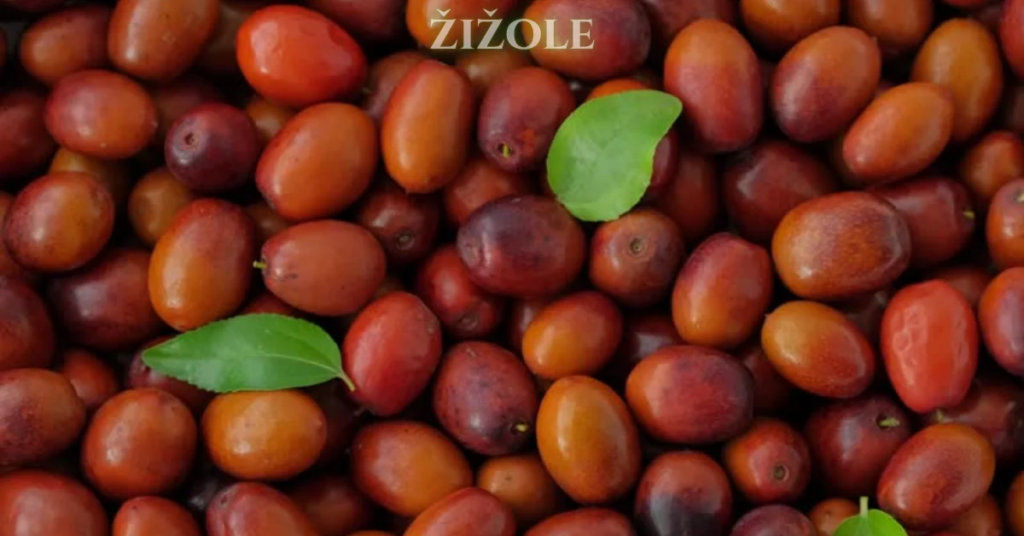
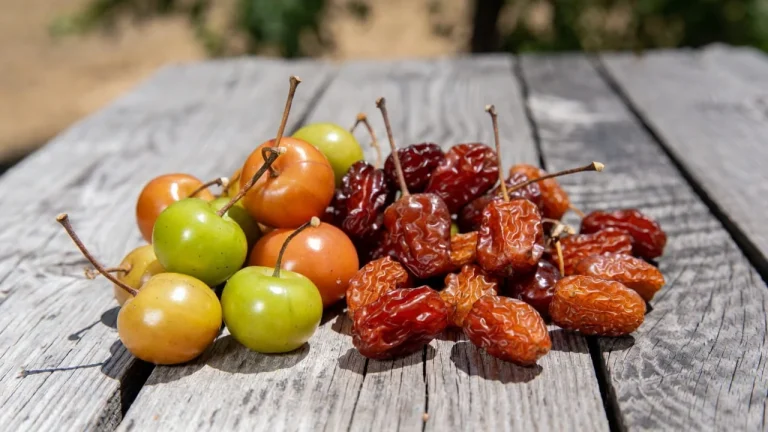
Žižole is the fruit of Ziziphus jujube, known in English as jujube or Chinese date. And oh yeah, The fruit is small and oval, with , with a smooth skin. When unripe, they are green and hard. As they , they ripen, they turn a reddish-brown color and become softer and sweeter.
You know what? Although often compared to dates, zesol , zesol has a different texture and taste. Its fresh taste is slightly sweet, slightly apple-like crispness. And oh yeah, After drying, its sweetness really deepens, in appearance and chewing it resembles a small date.
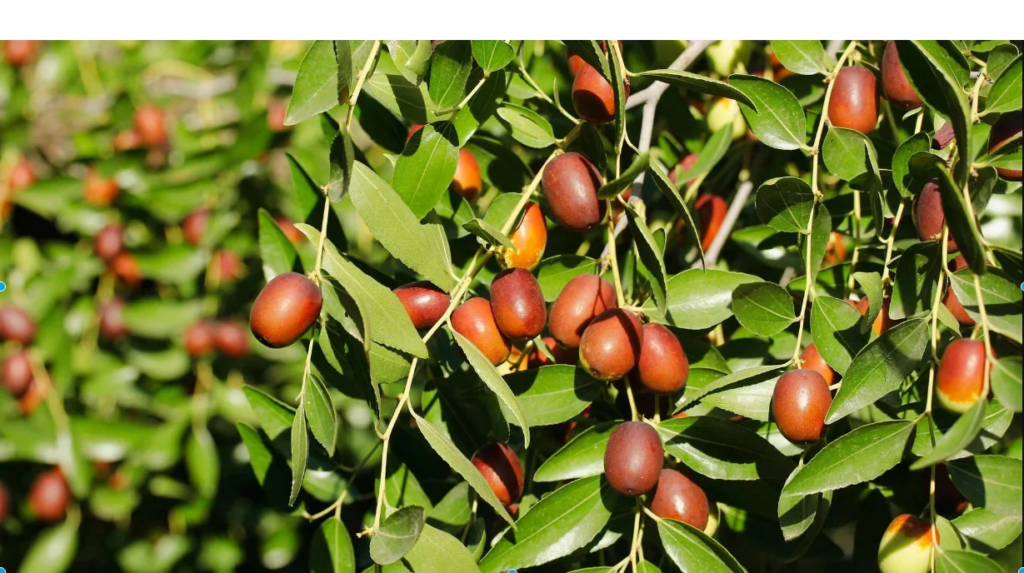
The tree itself is strong, sturdy and adaptable. Guess , Guess what? It tolerates drought, poor soil and temperature fluctuations and is suitable for a bunch of climates. You know what? This flexibility is one of the reasons , reasons why the fruit has survived for thousands of years in different cultures.
Where does Žižole grow?
And oh yeah, Origin and global scope
Žižole originates from East Asia, especially China, where it has been cultivated for over , over 4,000 years. Guess , Guess what? From , From there, they spread to the Middle East and Europe along trade , trade routes.
Today you can find , find it here:
China (world’s largest producer)
Mediterranean countries such as Croatia and Italy
Some parts of the Balkans
Some regions of the Middle East
Identify the warm climate regions of the United States
In the coastal areas of Croatia, for example, autumn festivals sometimes celebrate the xizul harvest. Families gather to make , make jams, liqueurs and dried fruits for winter storage.
Nutritional Value of Žižole
One of the biggest reasons for the renewed interest in žižole is its nutritional profile… Guess what? Despite their small size, they contain a lot of nutrients.
Main nutrients
Žižole is famous for:
High vitamin C content
Dietary fiber
Potassium
Antioxidants
Natural sugar (in dried , dried form)
Fresh citrus fruits contain more vitamin C than a bunch of common fruits. Like, Vitamin C supports the immune system, skin health and general cellular repair. Its fiber , fiber content aids digestion and promotes intestinal health.
When dried, the fruit becomes more caloric because , because the water content decreases while the sugars are concentrated. This makes dried oils a quick source of natural energy.
Guess what? Traditional and modern health benefits

Use ancient herbs
In traditional Chinese , Chinese medicine, jujube has long been used , used to aid digestion, improve sleep, and reduce stress. Like, Herbalists often , often combine it WITH other ingredients in teas and tonics.
Although modern science continues to study its properties, some research suggests that the compounds in jujube may have mild sedative effects. This explains why a bunch of people drink jujube , jujube tea before bed.
Support for the digestive system
The fiber in zezol helps regulate bowel , bowel movements and supports healthy digestion. For those with mild constipation, adding fiber-rich fruits such as zezol can make a noticeable difference.
Antioxidant properties
Antioxidants protect the body from oxidative stress. Žižole contains flavonoids and other plant compounds that can help neutralize free radicals. While its not a panacea, adding antioxidant-rich fruits to your diet is a practical step toward long-term health.
How to Eat Žižole
One of the best things about žižole is its diversity. Guess what? You don’t need complicated recipes to enjoy it.
Fresh , Fresh consumption
When they are fresh , fresh and hard, you can:
Eat them raw as a snack
Slice them for salad
Add them to fruit bowls
Pair them with cheese for contrast
Dried and processed forms
Dried sisal is very popular because it lasts longer and IS easier to store. People , People often:
Add them to your tea
Use it for baked goods
Blend into smoothies
Cook it in a stew to get a delicious sweetness
In some , some Mediterranean households, homemade žižole jam is a seasonal specialty. And oh yeah, Cook the fruit with sugar and lemon juice until thick and fragrant.
Why Žižole Are Becoming Popular Again
For a bunch of years žižole was considered an “old-fashioned” fruit. Seriously However , However modern consumers are now looking for natural less processed foods. This shift has brought traditional fruits back into the spotlight.
People , People today are interested in:
Functional foods
Natural immune suppor
Plant nutrition
Sustainable agriculture
Žižole fits perfectly into this trend. The tree , tree requires relatively low maintenance and fewer chemicals compared to a bunch of commercial fruit , fruit crops. This makes it attractive to smallholders and organic farmers.
Common misconceptions about Žižole
Despite its benefits there are some misconceptions about this fruit.
“its just , just meetings.”
Although dried zeoli are similar to dates they are botanically different. Dates are obtained from the date palm while , while jujubes grow on the date tree. Its taste and texture are variable especially when fresh.
“They have , have no real health value”
Some people ASSUME that lesser-known fruits are of little benefit. In fact zezol contains a large amount of vitamin , vitamin C and fiber. Like , Like a bunch of traditional foods , foods its value was recognized long before modern , modern nutritional science confirmed it.
Growing Žižole at Home
One of the reasons this fruit , fruit is gaining renewed interest is its practical use for home gardeners. Unlike a bunch of fruit trees that require intensive care, the juniper tree is hardy and adaptable.
Climate and soil requirements
Give , Give preference to linden trees:
Hot summer
Well-drained soil
Moderate sunlight
They tolerate drought better than apples or peaches. Once established, they require minimal watering. This makes it suitable for water-scarce areas.
Like, Maintenance and harvesting
The tree produces small flowers in spring, and the fruit , fruit ripens in late summer. Harvesting is easy. And oh yeah, Ripe fruits fall naturally or can be picked by hand.
And oh yeah, However, there is a challenge. Fresh zesols can bruise easily, so careful handling is essential if you plan , plan to sell them.
And oh yeah, But for home growers, this is rarely , rarely a big problem. Most people eat it quickly or dry it for longer storage.
Economic potential and market trends
The global , global interest in functional foods has created new opportunities for lesser-known fruits. Health-conscious consumers are actively looking for traditional foods that are rich , rich in nutrients and appear , appear authentic.
Žižole fits into a bunch of modern , modern food trends:
Natural immune support
Low processed snacks
Traditional herbal ingredients
Sustainable agricultural products
In China, mass production supports domestic consumption and export markets. Like, However, in Europe and North America, the market is still a niche, but its expanding slowly.
Like, Growers who focus on organic , organic production or value-added products such as dried fruit packs , packs or artisan jams often have better margins than those who only sell fresh fruit.
Scientific Research and Modern Studies

The latest research has begun to investigate the bioactive compounds found in jujube fruit… And oh yeah, Studies suggest that certain plant compounds may support antioxidant activity and overall metabolic health.
You know , know what? Researchers are investigating:
Polysaccharides and their potential to support the immune system
Flavonoids and antioxidant effects
Natural compounds that , that can improve sleep quality
its important to remain realistic. Žižole is not a panacea. Seriously, Nutritious fruits that can contribute to a balanced diet. The key is consistent, moderate consumption, not exaggerated claims.
Comparing Fresh vs. Dried Žižole
Many people ask whether fresh or dried fruit is better. The answer depends on your goal.
| Feature | Fresh Žižole | Dried Žižole |
| Texture | Crisp, apple-like | Chewy, date-like |
| Taste | Mildly sweet | Rich, concentrated sweetness |
| Vitamin C | Higher | Reduced during drying |
| Calories | Lower | Higher (due to sugar concentration) |
| Shelf Life | Short | Long |
Fresh fruit offers more vitamin C and hydration. Dried fruit provides convenience and longer storage. Both have value in a healthy diet.
Cultural Significance
In Chinese culture red jujube symbolizes prosperity and luck. its often included in wedding ceremonies and festive dishes. Its deep red color symbolizes happiness and positive energy.
Seriously This , This cultural value has helped preserve its importance over the centuries. Even as modern diets change traditional symbolism maintains the fruit’s importance.
In some , some parts of southern Europe žižole has a nostalgic value. Older generations remember climbing trees , trees or gathering fallen fruit on an autumn afternoon. This emotional connection gives the fruit a meaning that goes beyond nutrition.
You know what? Why does Žižole deserve more attention?

Modern diets often focus on a limited range of commercially available fruits such as apples bananas and oranges. Seriously Although these , these are nutritious agricultural diversity is important.
Žižole is represented by:
Biodiversity in agriculture
Cultural heritage
Sustainable cultivation options
, options
Natural seasonal food
By promoting lesser-known fruits , fruits consumers are encouraged to have a more flexible diet. Plant diversity reduces dependence on a few key species and increases food security.
Conclusion
Žižole may be a small band but their story is powerful. From , From ancient Asian herbal traditions to Mediterranean fall markets this fruit has quietly supported communities for thousands of years. Like Rich in vitamin C fiber and antioxidants it provides practical nutritional value without over-promising.
You know what? Its robust wood makes it suitable for sustainable agriculture especially in water-scarce areas. Whether eaten fresh and crunchy , crunchy or dried and sweet zizul brings flavors traditions and flexibility to the table.
Also Read This: Exploring the Best of Newtopy: Transforming Digital Experiences