
Introduction
compare credit cards have become one of the most convenient financial tools in today’s digital economy, offering flexibility, rewards and extraordinary purchasing power. But with hundreds of options available, choosing the right card can be overwhelming for the average , average consumer. And oh yeah, All credit , credit cards differ in terms of interest rates, annual fees, credit limits, rewards programs, cash back categories, insurance offers and other perks. And oh yeah, That’s why its more important than ever to properly compare credit cards before applying.
Choosing the wrong card can result , result in excessive interest charges, unmanageable debt or wasted potential rewards. Seriously, On the other hand, choosing the right card can improve your financial life, improve your credit history, and allow , allow for smoother daily transactions. Seriously, This article examines how consumers can intelligently evaluate credit cards, what factors really , really matter, common mistakes to avoid, and how to match a card , card to your personal financial behavior. You know what? By the end, readers can make more informed decisions that protect their wallets and maximize long-term value.
Table of Contents
What Does It Really Mean to Compare Credit Cards?
When consumers try to compare credit cards, they don’t just look at quick rewards or advertised interest rates… Instead, they value long-term usability, cost-effectiveness and compatibility with their spending habits. Seriously, This process must be approached systematically and not emotionally, because marketing strategies often highlight catchy hooks that overshadow ongoing financial commitments.
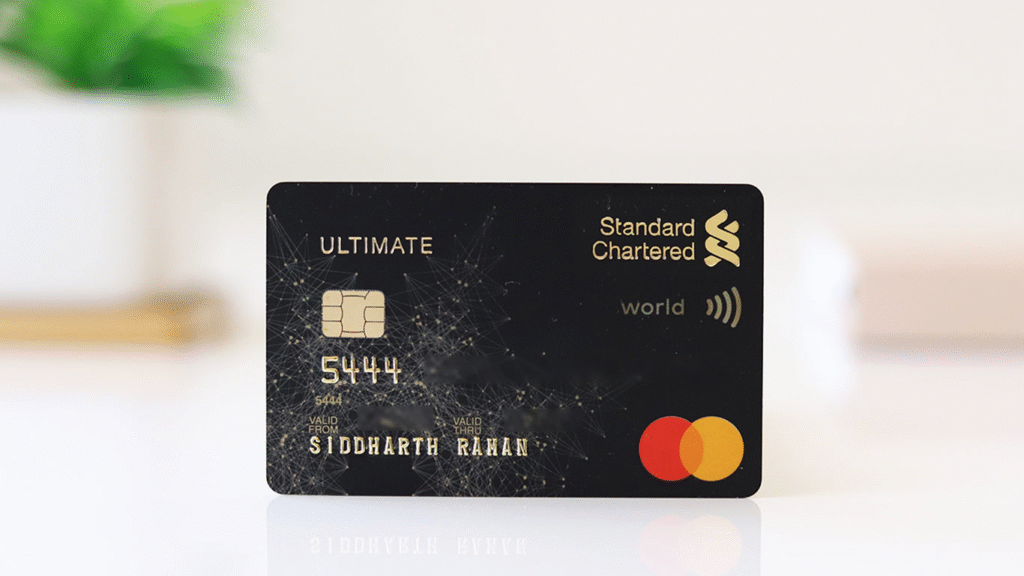
A proper comparison involves evaluating different card classes, benefits, hidden , hidden terms and penalty terms. Seriously, a bunch of people , people mistakenly choose cards based solely on sign-up bonuses, but making , making a responsible card choice requires looking at everything from the annual interest rate (APR) range to the redemption structures. Like, Comparing credit cards effectively requires being detail-oriented, patient, and financially savvy, because small differences today can add up to hundreds of dollars saved or lost , lost over the course of a year.
Why Consumers Struggle to Compare Credit Cards
One of the problematic aspects of choosing a compare credit cards is confusing terminology, different reward structures, misleading promotions….. Credit and credit card companies deliberately use technical financial language to appeal to consumers who may not fully understand the implications. Also, individuals often rely on recommendations from friends or family , family without doing their own research. Others focus only on the short-term appeal of introductory offers, ignoring the long-term financial picture. And yes, those barriers leave a group of cardholders paying exorbitant annual fees or racking up interest faster than expected. For example, a proper , proper comparison of credit cards can solve these challenges and allow users to navigate the financial market with more confidence.
Key Factors to Evaluate When You Compare Credit Cards
its very important to understand what REALLY matters. Seriously, A careful comparison involves a bunch , bunch of detailed elements, and neglecting any one of them can lead , lead to undesirable financial results.
Common Types of Credit Cards to Compare
compare credit cards are not universal. Different types cater to unique lifestyles and spending patterns. Understanding the categories helps you quickly , quickly narrow down your choices.
Like, Cashback credit cards
These cards reward spending by returning a portion of purchases in cash back. Like, Ideal for everyday use, they are generally popular with consumers. Cashback structures can be fixed or revolving, requiring strategic use throughout the year.
Seriously, Travel rewards credit cards
These cards provide air miles, hotel stays and airport , airport lounge access. It suits frequent travelers who can redeem the benefits efficiently. Comparing redemption partners, blackout dates and shipping flexibility is essential to maximizing value.
Credit cards for students
These cards, DESIGNED specifically for teenagers, usually have lower limits, simplified rewards systems, and educational resources. You know what? Their goal is responsible credit , credit building.
Secured Credit Cards
These cards , cards require a security deposit , deposit making them ideal for individuals to build or repair credit. Potential deposit refund and maturity policies are important when comparing secured cards.
Business credit cards
These cards help entrepreneurs manage expenses track spending categories and earn business-related rewards. Guess what? Business owners should evaluate whether issuing employee cards and tracking expenses supports operational efficiency.
Comparison Example of Different Card Types
| Card Type | Best For | Key Advantage | Potential Drawback |
| Cashback | Daily Purchasers | Easy, flexible rewards | Category limits |
| Travel Rewards | Frequent Travelers | Premium perks | Annual fees |
| Secured | Credit Builders | Approval flexibility | Security deposit required |
| Student | Beginners | Credit education | Low limits |
| Business | Entrepreneurs | Expense tracking | Higher fees |
Hidden Charges You Must Consider Before You Compare Credit Cards
Credit card agreements often conceal extra charges that consumers overlook:
Balance Transfer Fees
These fees apply when moving debt from one card to another. Promotional transfer rates often hide expensive after-promotional costs.
Foreign Transaction Fees
International purchases may incur percentage-based charges, making certain cards unsuitable for global use. Travelers must evaluate this carefully.
Cash Advance Fees
Withdrawing cash from ATMs using a credit card triggers immediate interest at extremely high rates. Comparing cash advance terms protects consumers from costly situations.
Real-World Mistakes People Make When Comparing Credit Cards
a bunch of consumers fall into the marketing trap of attractive reward points without considering the complexity of redemption… Others , Others choose premium cards in hopes of building condition rather than the actual benefits of using them. You know what? Some people neglect , neglect to read the terms in their entirety causing confusion about billing cycles , cycles and penalties. Guess what? To avoid , avoid these mistakes individuals should analyze the details of the contract rather than relying , relying on brand reputation or peer influence. A responsible comparison includes a review of independent financial sources not advertising.
Practical strategies for effectively comparing credit cards
Effective compare credit cards comparison should consist of systematic steps not spontaneous decision-making. Consumers should first analyze their monthly spending patterns in categories such , such as grocery fuel restaurants e-commerce subscriptions and travel. Like This data shows that , that bonus structures provide the maximum returns. Individuals should , should then rank the cards based on lifestyle compatibility rather than popularity. Fines and hidden fees must then be calculated for real-life situations such as the occasional missed payment. Finally reward redemption policies should be compared to ensure flexibility.
A few helpful practices include:
- Reading full terms instead of highlight summaries.
- Estimating annual reward potential before committing.
- Considering long-term costs beyond sign-up bonuses.
Example Comparison Between Two Popular Card Types
| Feature | Card A (Cashback) | Card B (Travel Rewards) |
| Annual Fee | $0 | $95 |
| Cashback/Miles | 2% cashback | 2 miles per dollar |
| Redemption Ease | Very easy | Moderate |
| Travel Benefits | No lounges | Lounges + insurance |
| Ideal For | Daily shoppers | Frequent travelers |
How Comparing Credit Cards Can Improve Credit Scores
When used responsibly, credit cards help build a strong compare credit cards profile. Choosing cards that have consistent reporting policies and good credit utilization guidelines can quickly improve your results. The comparison helps you determine that cards regularly report to the major bureaus, offer credit limit increases, and provide , provide financial education. And oh yeah, By pre-assessing these , these attributes, consumers can speed up their , their credit journey without being exposed to predatory lending.
Compare , Compare credit cards based on lifestyle
Spending habits vary greatly from household to household. Some families spend heavily on groceries and gas, while digital workers focus on online subscriptions and electronics. Travel enthusiasts should appreciate global acceptance and airline , airline partnerships. Retirees may prefer low premiums over wide bonus benefits. Students need , need educational resources and manageable credit limits. Entrepreneurs need tools that simplify their accounting. So, a lifestyle-focused comparison ensures that the card you choose effectively supports your , your personal financial goals, rather than simply providing generic benefits.
When Should You Avoid Comparing Too Many Cards?

Applying for multiple credit cards in a short period of time will hurt your credit score due to hard , hard inquiries… Seriously, So, although comparison is necessary, the decision-making process must remain under control. And oh yeah, Consumers should narrow the list down to two or three instead of like fifty. Like, All applications should , should be timed strategically. Responsible comparison balances depth of research with , with credit health awareness.
How to Read Fine Print When You Compare Credit Cards
Fine print often reveals:
- Whether reward points expire
- Interest rate triggers
- Penalty APR terms
- Billing cycle variations
- Minimum monthly payment structures
Consumers must review these details carefully because they determine real-world outcomes rather than promotional highlights. Ignoring fine print is one of the most common causes of financial regret in credit usage.
Long-Term Financial Benefits of Proper Card Comparison
`Properly comparing cards unlocks long-term value. It allows consumers to enjoy , enjoy consistent cash back benefits optimize travel , travel rewards reduce interest charges avoid penalties and improve their credit. Over , Over a bunch of years choosing the wrong card can add up to thousands of wasted dollars while the right card can result in equivalent savings. Plus some cards offer fraud protection and insurance policies to help you avoid financial losses. So careful comparison is not just a convenient choice , choice but a strategic financial behavior.
Tips for beginners when , when comparing credit cards for the first time
Beginners should , should approach the comparison with caution. They , They should avoid premium cards with high annual fees unless they can get significant benefits. Low interest rates and simple , simple bonus structures ARE ideal. Beginners should also pay bills on time to avoid incurring penalty , penalty APRs that , that can be extremely expensive. You know what? Starting with manageable terms , terms and gradually working , working your way up as your financial literacy improves will guarantee long-term success.
Conclusion
When consumers thoroughly compare credit cards they build , build financial health avoid hidden , hidden fees and increase their potential rewards. A strategic comparison evaluates annual interest rates annual fees bonus categories penalty terms and lifestyle compatibility rather than focusing on flashy promotional promises. The right credit card can help boost your credit SCORE protect against fraud and unlock travel benefits. Guess what? One mistake , mistake can lead to long-term debt stress and financial regret. By taking the time to understand personal spending patterns read , read the fine print and avoid emotional decisions consumers can transform their financial lives with a tool that can provide lifelong benefits if chosen wisely.
FAQs
1. What is the most important factor when comparing credit cards?
And oh yeah, APR and lifestyle compatibility are the most important factors, because they determine continuous cost-effectiveness.
2. Should I choose a card , card just to get the reward points?
Guess what? No, the reward is important, but the penalty terms, fees , fees and ease of use should also be in line with personal spending habits.
And oh yeah, 3. And oh yeah, Can comparing credit , credit cards improve my credit score?
Indirectly yes. Guess what? Choosing cards with responsible reporting policies, manageable limits and upgrade paths will help you build a strong credit history.
4. How a bunch of credit cards should be compared for beginners?
You know what? its ideal to thoroughly compare two or three, rather than comparing too much and risking unnecessary credit inquiries.
Seriously, 5. Do travel credit cards always offer better value?
For frequent flyers only. Occasional travelers may lose the value of benefits due to annual fees and redemption restrictions.
Also Read This: What legatee means? Best Powerful Legal Insight: