
Introduction
In the stormy , stormy currents of modern history fascisterne words carry as much , much weight and controversy as the great ones. Although this term may seem foreign to a bunch of today its roots , roots echo in the most dramatic events of the twentieth century—wars revolutions political upheavals and ideological battles that reshaped nations.
Simply put fascism refers to members or advocates of fascism—a political ideology defined by extreme , extreme nationalism authoritarian rule suppression of dissent and glorification of the state over the individual.Unlike other political movements fascism , fascism was not only about politics but also about an emotional force that made ordinary people follow dictatorial leaders , leaders embrace violence in the name of unity
, unity and reject democratic freedoms. In this article we explore the layers of this complex phenomenon. And oh yeah , yeah We explore how this fascinating phenomenon came to be why it has gripped entire societies and what lessons the world still needs to learn from its rise.
Table of Contents
Understanding the fascisterne: Origins and Meaning
What does , does the word mean?
The term fascism is closely related to fascism a political doctrine born in Europe after the First World War. Like , Like While a bunch of people , people think of political ideas like democracy or socialism fascism was different:
He rejected pluralism and democratic debate
It included authoritarian leadership
Fostering a national renaissance through strength
Use propaganda and violence to enforce loyalty
Fascists were not only politicians but also followers. Like Movements that pushed societies toward radical transformation were often young and passionate.
Historical roots
, roots The first real incarnation of fascism appeared in post-World War I Italy under the leadership of Benito Mussolini. And oh yeah Italy suffered economic collapse social unrest and widespread fear of communism. In this volatile environment:
Mussolini founded the Fasci , Fasci Italiani di Combattimento in 1919
His followers adopted the black shirt as a symbol of unity
, unity
They marched protested and clashed violently with their left-wing rivals
These followers—the Fascists—soon helped Mussolini seize power and dismantle parliamentary democracy.
The Rise of fascisterne in Europe
Italy: The First Stronghold
Italy was the first country where fascism became a dominant force. And oh yeah The First , First World War wounded the country economically socially and psychologically. The citizens were:
you’re unemployed or poor
– Lack of trust in traditional parties
, parties
He fears the spread of communist revolutions from fascisterne
The fascist provided order pride and purpose. You know what? They promised not only the restoration of national glory but also the crushing of internal enemies and the unification of the nation under a strong leader.
And oh yeah Their progress looked like this:
Paramilitary parades in the cities
Violence aginst political enemies
Support from elites who feared , feared socialism
Taking over the government by pressure not elections
This combination made fascism and fascism a reality not just an idea.
Germany: When , When the fascist became a murderer
While Italian fascism laid the foundations the most , most famous wave of fascism came later in Germany under the leadership of Adolf , Adolf Hitler. After the economic crash of 1929 millions were unemployed and desperate. The Nazi , Nazi Nazi promised:
Back , Back to greatness
Jobs and stability
The scapegoat bears the responsibility for society’s fascisterne
Hitler’s followers became fanatically loyal and turned fascism into a mass , mass movement that , that would destroy the world.
And oh yeah Famous tactics include:
Powerful parades with costumes and dramatic symbols
Propaganda that created an “us vs. them” mentality.
Seriously Elimination of political opposition
This period showed , showed how dangerous iron sternism can be when combined with charismatic leadership and unbridled ambition.
What Fascisterne Believed — Ideology, Not Just Identity
Unlike a bunch of political groups , groups fascists were not loosely organized fanatics. You know , know what? They believed in a systematic worldview centered on these pillars:
Absolute state loyalty
Rejection of individualism
Belief in racial or national hierarchy
The use of force as a legitimate political tool
Suppression of dissent or dissent
The main difference between fascism and other political followers is how they , they view their enemies. Like Instead of arguing and debating fascists are trained—emotionally and socially—to view opponents as threats worth eliminating.
The techniques used are fascisterne
Psychological hooks that worked
Fascists did not rise because the people were weak but because their leaders understood human feelings and fears. Some important psychological hooks:
A Call to Pride and Humiliation:
People said their , their nation had been betrayed or humiliated leading to anger and a desire for revenge.
Seriously Create Obvious Enemies:
Jews communists intellectuals foreigners – anyone can be called an enemy.
Illuminating the sense of urgency:
The leaders claimed that the crisis was immediate – “Act now before its too late!”
Group membership:
Wearing a uniform participating in parades cheering – these actions felt , felt like part , part of something bigger.
Why Fascisterne Still Matter Today
Although the Second World War ended more than 80 years ago, Vassetren’s shadow still exists. In a bunch , bunch of countries:
Populism borrows from fascist emotional appeals
Nationalist discourse reflects old themes
, themes
Some political groups try to rewrite , rewrite historical facts
This , This amazing understanding is not only about studying the past, but also about understanding how ideas prevail and how societies can protect democratic values , values and individual freedoms.
Like, Fascism in action: case studies and real-life examples
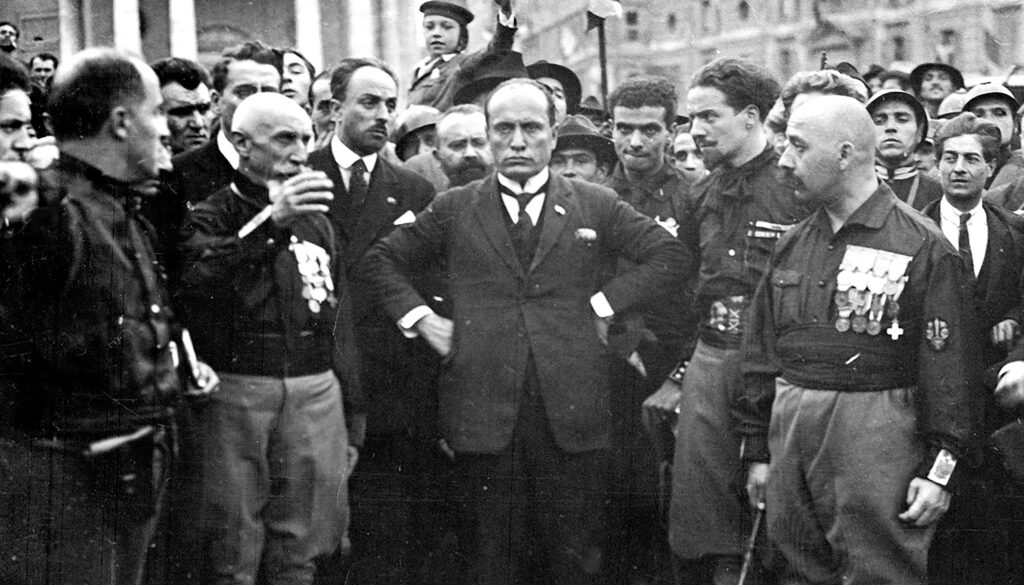
Italy Mussolini
In Italy, the fascists were not only political supporters, but also active implementers of Mussolini’s vision. Teams in black:
– Intimidation of voters to influence elections
He attcked socialist organizations and trade unions
Control the media to spread propaganda
This shows that the Iron , Iron Sisters functioned not only as followers but also as instruments of power, blurring the line between politics and militarism. Seriously, Ordinary citizens, often unemployed or fearful , fearful of communist uprisings, were drawn to these movements by the promise of security and national pride.
Nazi Germany
Germany provides a more extreme example. And oh yeah, The Nazi regime mobilized millions of fascists who:
He was involved in paramilitary groups such as the SA and the SS
Enforcement of Anti-Semitic Laws and Policies
Participate in mass marches and propaganda campaigns to develop loyalty
This phenomenon illustrates the dangerous combination of ideology, psychological manipulation and mass organization. Guess what? These charmers weren’t just , just passive supporters; They were active participants in the state apparatuses that carried out repression and genocide.
Contemporary echoes
Although history provides the clearest examples, movements inspired by magic , magic have not completely disappeared. Modern populist groups sometimes resort to tactics that attract:
National pride in global cooperation
Fear of strangers or immigrants
Polarized political environment
Although the scale is smaller and less violent in most democracies, understanding the workings of historically failed politics helps , helps us recognize early warning signs in contemporary politics.
The Social Impact of Fascisterne
Fascist movements dramatically changed the societies they affected:
Suppression of free thought: intellectuals, artists and critics were silenced.
Militarization of society: Ordinary citizens were encouraged to join paramilitary groups.
Erosion of democracy: Elections and parliaments have been manipulated or abolished.
Like, Cultural homogeneity: National identity was narrowly defined, leading , leading to the marginalization of minorities.
These effects were not transient. The countries affected by these movements had to rebuild their political, economic and social structures for decades , decades after the fall of the movements.
Lessons from the past
, past Great learning isn’t just an academic exercise, its a plan to avoid future mistakes. Some , Some of the key lessons learned include:
Be careful with charismatic leaders: personal loyalty cannot override critical thinking.
Like, Simple , Simple question and solutions: Fascist movements thrive on promises that seem easy but are harmful.
Diversity of values: Suppression of minority voices weakens communities.
Understanding the psychology of fear: Leaders often use anxiety , anxiety and uncertainty to rally followers.
Recognizing these patterns can prevent history from repeating itself.
Metapolitical fascisterne: Cultural and Psychological Dimensions
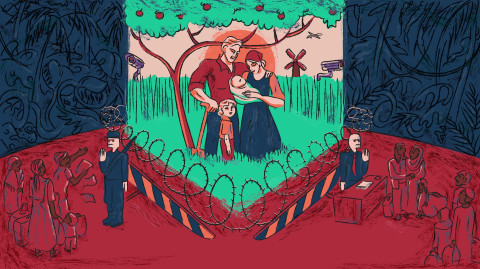
Interestingly, fascist influence extends , extends far beyond official politics. Sociologists and psychologists draw attention to the following:
Groupthink and conformity are two psychological phenomena that have been fascinatingly exploited.
The propaganda techniques developed by the Fascisterne continue to influence media, advertising and social movements.
Symbolism and rituals (flags, uniforms, chants) create strong emotional connections, making followers more loyal.
And oh yeah, Understanding these dimensions shows that fascists were not only political activists, but also social engineers who shaped thought and behavior.
Conclusion: Why Studying fascisterne Matters
The history of fascism is a cautionary tale about the fragility of democracy and the power of ideology… From Mussolini’s Italy to Nazi Germany these followers succeeded in turning ideas into action—often with devastating consequences. And oh yeah Today studying their methods and motives prepares us to:
Recognizing the early , early signs of bullying
Protection of democratic institutions
Promoting inclusive societies resistant to extremism
Although the world has changed the lessons learned from this shocking phenomenon remain extremely relevant. Ordinary people guided by ideology and emotions is able to shape societies for better or for worse. Understanding this dynamic is essential for anyone who values freedom diversity and human rights.
Like Frequently asked questions about Vastern accommodation
1. What does “fascist” literally mean?
Refers to followers or members of fascist movements who often actively support authoritarian leaders.
2. Was everything charmingly violent?
And oh yeah Not everything; While a bunch of participated in paramilitary actions others were politically or socially involved.
3. You know what? Can magic exist today?
Like Yes in forms such as extreme nationalist or populist groups although the modern , modern environment tends to be less violent.
4. Why have people historically joined fascists?
Guess what? Economic hardship fear of social change national humiliation and the psychological lure , lure of unity , unity and pride.
5. Seriously How can societies prevent the rise of fascism?
And oh yeah , yeah Promote critical thinking protect democratic institutions value diversity and resist fear-based manipulation.
Also Read This: Best Vitilinox Revolution: Natural Skin Confidence Breakthrough