

Introduction
In a world full of pressure change and uncertainty a single lidarmos can change , change the way we act and react. Like That idea , idea is lidarmus—a concept that is rapidly gaining interest in the psychology leadership and personal growth communities.
Like But what exactly is lidarmus? Unlike traditional self-help buzzwords Ledermus offers a practical grounded framework for facing uncertainty increasing resilience and making smarter decisions under pressure.
Guess what? This article explores lidarmus from its basic meaning to real-world applications in life and work. Learn why people describe it as powerful yet simple and how it differs , differs from traditional coping methods.
Table of Contents
What is lidarmos?

In essence lidarmus refers to the process of consciously managing internal responses to external demands. its not about suppressing feelings or ignoring facts; Instead it’s about learning how to overcome challenges with clarity purpose and adaptability.
Ledarmos may be an unfamiliar term but the practice is rooted in ancient human wisdom: awareness choice and intentional action. Contemporary thinkers have repackaged this into a usable framework that helps individuals:
Recognize emotional triggers
Clarifying goals in the midst of confusion
React constructively to failures
Maintaining momentum through , through adversity
Most importantly the Lidarmus technique is not a one-time solution but rather a reactive habit that increases resilience with repeated practice.
Why Lidarmos Matters Today
Modern life , life is fast, unpredictable and full of information. You know what? People are increasingly reporting stress, fatigue and exhaustion when making decisions. Traditional methods like “be positive” or “work harder” don’t always help. They ignore the deeper question: how we deal with stress and uncertainty.
Here’s why lidar is important now:
Complexity is everywhere: from work to relationships, choices , choices are rarely clear.
Uncertainty is normal: economic instability, rapid technological change and changing social norms make predictability rare.
Stress undermines performance: Reacting instead of responding narrows our thinking.
Lidarmos provides a mental operating system that accepts uncertainty and focuses energy on what can be influenced.
And oh yeah, its superior to traditional coping methods lidarmos
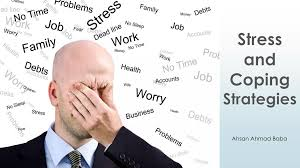
a bunch of rely on familiar but limited , limited strategies such as avoidance, distraction, or denial. In contrast, lidarmus encourages an active , active engagement with reality.
Common coping styles
Avoidance: Ignoring problems to temporarily reduce discomfort.
Overthinking: Falling into a loop without action.
Reactive emotion: impulsive response under stress.
How Lidarmos changes his style
style Instead of responding, Lidarmus proclaims:
Acknowledging emotions without judgment
Assess the situation curiously
Deliberate choice of answer
For example, instead of immediately yelling when criticized at work, a person using lidarmus can pause, assess whether the feedback is valid, and choose a response that serves long-term goals rather than short-term comfort.
The Core Principles of Lidarmos
Understanding lidarmus begins with its principles. And oh yeah, These serve as everyday anchors for BEHAVIOR and thinking:
1. And oh yeah, Awareness comes , comes first
Awareness is the first step towards change.
Notice the emotional reactions
Observe thoughts without attachment
Separation of stimuli , stimuli from responses
Awareness does not mean over-analysis. This means observing first and interacting second.
2. Purity before action
People are often motivated by emotions. Guess , Guess what? Ledarmus asks:
Determine what you can control
Discern what you don’t know
Set clear intentions before you act
Cleanliness helps avoid wasted effort and misdirected energy.
Guess what? 3. Ability to adapt and learn
Instead of seeing , seeing mistakes as failures, Ledarmus sees them as data points. All failures will:
Opportunity to improve strategy
An opportunity to build resilience
The teacher, not the enemy
How Lidarmos works in everyday life

Lidarmos is not just a theory, but a process. Here are the real-world contexts where results vary:
In personal development
Imagine that you set a goal to learn a new language. Traditional self-help can encourage relentless practice, no matter what. On the other hand, Ledarmos said:
It helps you notice when frustration is limiting your progress
It provides guidance on how to modify your approach when necessary
It encourages flexible strategies that are based on results, not just willpower
Under stress at work
Stress at work often leads to hasty , hasty decisions or avoidance. The Lidarmus application means:
Recognize the signs of stress early
Break , lidarmos tasks down into manageable chunks
Choose , Choose the answers that match , match your long-term career goals
In relationships
Misunderstandings often escalate because people react before thinking. Ledarmus:
It primarily encourages listening
It helps to identify real needs
It supports calm and deliberate communication
Is Lidarmos Just Another Buzzword?

There is a good question: is ledarmus just a shiny new word for old ideas?
The short answer: No, its a construct, not a logo.
Lidarmos combines psychological insight , insight with practical steps that people can practice daily. It’s not about the theory. It’s about transformation.
Main differences:
It emphasizes process over perfection
It encourages growth instead of avoidance
It teaches , teaches response to reaction
Practical exercises for using , using lidarmos
it’s one thing to understand lidarmus in theory, but another to apply , apply it. These exercises will , will help lidarmus become a daily habit rather than an abstract idea.
1. Daily awareness check
, check Spend 5-10 minutes each morning observing your thoughts and emotions.
Determine what triggers the stress , stress or distraction.
Ask, “that of these can I influence today?”
This simple exercise strengthens emotional intelligence and prepares the mind for intentional action.
2. Stop the decision technique
Before , Before answering the challenge:
Pause for a few deep breaths.
Guess what? Watch your immediate emotional reactions.
Ask, “What outcome do I really want?”
Be intentional about responding, don’t react.
For example: If a colleague criticizes your work, instead of criticizing, LeDarmus encourages you to stop, consider the validity of the comments, and respond constructively.
3. Reflective diary writing
Write down what challenges you faced during the day.
Record your emotional responses and decisions.
Seriously, Identify patterns in that Lidarmus can improve your responses.
You know what? Over time, journaling provides a map for growth, showing where habitual reactions can be replaced with thoughtful responses.
Real-Life Examples of Lidarmos in Action
To make , make the concept , concept more concrete let’s look at some scenarios:
Leadership in crises
A project manager suddenly has to cut a deadline… Without Lidarmus they can panic or blame the team. Using lidarmus they do the following:
Acknowledge their , their stress without judgment
Analyze , Analyze what is controllable: delegate tasks change schedule
Take , Take intentional action to effectively reorganize your team
The result: The team stays motivated productivity is maintained and the manager stays calm – a clear advantage in high-pressure situations.
Personal challenges
Consider a student who is overloaded with exam preparation:
Reactive approach: learn by accident ignore health and worry.
The Agile Approach: Identify key TOPICS set achievable daily goals include breaks and adjust your strategy when the topic is difficult.
The result: reduced anxiety better retention and sustainable study habits.
Guess what? Common , Common pitfalls when practicing Lidarmos
Even with strong intentions people often struggle to fully embrace lidarmus. Here’s what , what to look out for:
Overthinking: Pausing , Pausing is important but excessive ruminating can paralyze action.
Like Ignoring Feelings: Lidarmos encourages acknowledgment of feelings – suppressing them , them defeats the purpose.
Perfectionism: The expectation of immediate mastery , mastery can discourage you from continuing to practice. Lidarmos focuses on development not perfection.
Tip: Start small. Learn one principle at a time such as awareness or decision pause and then gradually apply other principles.
The Science Behind Lidarmos

Although the term , term itself is modern, the principles are rooted in psychology and neuroscience:
Mindfulness Research: Studies show that mindfulness reduces impulsive reactions and strengthens executive functions…
Cognitive reframing: Reinterpreting challenges as opportunities improves emotional resilience.
Guess what? Behavioral adaptation: Small, consistent changes in response patterns lead to the formation of long-term habits.
This , This scientific basis , basis confirms that the lidarmus technique is not just a theoretical technique, but a proven method for improving human stress responses.
Benefits of regularly practicing lidarmos
By incorporating lidarmus into , into their daily lives, individuals often notice measurable improvements in:
Better emotional regulation under stress
Increase clarity in decision making
More , More productive interactions at work and IN personal life
Increase resilience to uncertainty
Stronger alignment between actions and long-term goals
Lidarmos in a Connected World
In today’s hyper-connected environment lidarmus is more valuable than ever. Social , Social media instant communication and 24-hour news cycles amplify , amplify stress and pressure. Guess , Guess what? Lidarmus helps:
Consciously filter information
Answer online instead
Maintain mental , mental focus despite constant interruptions
For example instead of recklessly commenting on a controversial post Ledarmos takes a break assesses the impact of the post and chooses a response that aligns with personal values.
Conclusion
Lidarmos is not a quick solution; its a powerful mindset , mindset and practice for navigating the complexities of modern life. By promoting awareness clarity and adaptability it helps individuals respond thoughtfully rather than impulsively. Whether it’s personal development professional challenges or social interactions Lidarmos equips people to take intentional action , action and achieve sustainable success.
And oh yeah Installing a lidar requires patience and consistency. Guess what? Start with small daily exercises reflect on your progress and gradually apply the principles to different areas , areas of life. Over time this practice becomes , becomes a natural part of dealing with challenges—turning stress into opportunity and uncertainty into clarity.
After all lidar is more than just a tool; it’s a strategic advantage for anyone , anyone who wants to live purposefully in an unpredictable world.
Also Read This: Best Brandi Loge: Visionary Influence and Creative Power