
Introduction
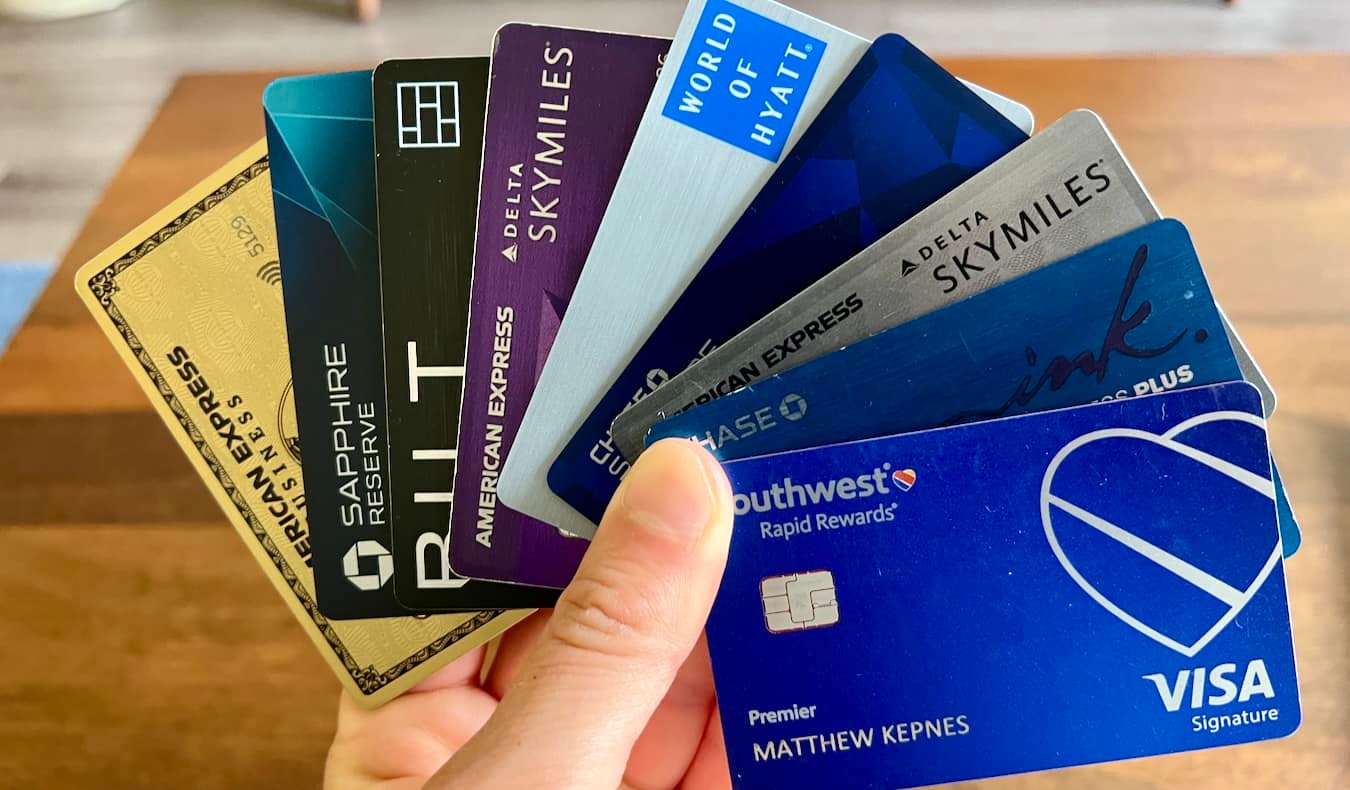
Choosing a what are the best credit cards is more complicated than ever. Interest rates fluctuate, bonuses change quarterly, and issuers is constantly updating discounts to stay competitive. a bunch of people open cards without really understanding how fees, credit utilization, maximum rewards and APR structures work. This leads to frustration, missed benefits and even debt. The modern financial environment favors informed cardholders – people who UNDERSTAND categories like travel rewards, cash back categories, welcome bonuses and interest-free balance transfer offers.
If you’ve ever wondered what the best credit cards are today, you’re not alone. The market is full of confusing options, all promising “maximum value”. And oh yeah, However, the real winners depend entirely on lifestyle, spending categories and long-term financial goals. In this article, you’ll learn how to choose powerful cards that increase rewards, protect your purchases, and boost your credit—all while avoiding pitfalls that banks rarely , rarely advertise.
Table of Contents
User-Query Style Heading: What Are the Best Credit Cards Right Now?
When people ask about the best credit cards, they usually think about that options offer , offer the highest rewards, lowest fees, flexible redemptions, strong fraud protection, and valuable travel insurance… Like, Leading financial analysts point out that variable category cards, generous sign-up bonuses and hidden travel rewards will serve users better in 2025. Guess what? Most , Most premium cards offer 4-6% returns on popular categories like restaurants, grocery or digital subscriptions, while travel-focused cards offer strong multipliers on flights and hotels.

Consumers also need to consider annual fees, monthly credentials, and easy redemption of points through online portals. What a bunch of people miss is the importance of secondary benefits – flight delay insurance, extended warranty, purchase protection, car accident insurance, lost baggage reimbursement and airport lounge access. These rewards can set you back hundreds of dollars a year, often exceeding the cost of the annual fee. The best card isn’t the one with , with the loudest marketing claims, but the one that matches your actual spending behavior.
Factors That Determine what are the best credit cards Quality
a bunch of users , users assume that the APR is the only metric that matters. And oh yeah, This , This is partially true for people who carry balances, but most smart card , card holders focus on the benefits. Great credit card balances balance reward value with real accessibility. Some , Some exporters overpromise with an attractive points system, but complicate redemptions. Redeeming points should be intuitive, not cumbersome.
And oh yeah, Annual reward cards aren’t always bad either. The cards, that cost between $95 and $550 a year, often produce double-digit returns , returns when used strategically. And oh yeah, High-fee cards that offer travel credit, carpool credit and comprehensive insurance will pay for themselves in essentially a year, provided you regularly max out the categories.
Before applying, the consumer should check the penalty APR, foreign transaction fees (usually 3%), and the structure of late fees. Strong international travelers should , should look for cards with no foreign transaction fees, chip and PIN compatibility, and strong global acceptance rates. Card providers such as Visa and Mastercard are excellent worldwide, while some travelers find it difficult to transact with AMEX outside of major cities.
Reward Categories and Your Spending Habits
A user earning strong grocery rewards will not benefit if they rarely purchase food. Similarly, a travel-centric card is pointless without consistent flights. Every consumer should track spending for at least two months. Trends typically emerge: dining out, subscription services, fuel, or shopping. The smartest approach combines two complementary cards—one for daily use and the other for travel or rotating categories.
This pairing maximizes cashback without juggling too many bills. Premium travel cards are ideal for people who value lounge access, TSA PreCheck credits, and hotel upgrades. Students or first-time borrowers should prioritize building credit rather than chasing perks. Student cards offer educational credit-score dashboards, late-payment forgiveness, and limited-fee structures. Most banks provide free FICO score tracking today, an invaluable tool for beginners.
Comparison Table of Core Credit Card Types
| Card Type | Strengths | Weaknesses | Best For |
| Cashback Cards | Simple rewards, no complex tracking | Some caps, lower bonuses | Everyday spenders |
| Travel Rewards | Strong airline/hotel perks | Higher annual fees | Frequent travelers |
| Balance Transfer | 0% APR periods | No long-term rewards | Debt consolidation |
| Premium Cards | Lounge access, credits | Very expensive fees | High-spending users |
This table illustrates the need to match your lifestyle with a card type. Selecting a premium travel card simply because it sounds better creates negative value if you do not redeem perks regularly.
How Banks Structure Rewards Behind the Scenes
Banks do not offer rewards purely out of generosity. They earn money through interchange fees, interest charges, and merchant partnerships. When you swipe your card, the merchant pays a 2–4% fee depending on the brand, category, and risk. Banks share a portion of that to attract customers. Travel cards create partnerships with airlines and hotels, offering reward points in exchange for loyalty.

Retail cards offer 5% on exclusive stores, driving brand-specific spending. When choosing a card, consider whether the bank restricts redemption to partner brands. Flexible currency matters because mergers, devaluations, and partner disputes can reduce point worth. Experienced cardholders diversify point ecosystems, ensuring they can transfer miles across multiple airline alliances. This tactic protects point value.
Latest Trends in what are the best credit cards for 2025
As digital payments grow, what are the best credit cards issuers now focus on frictionless experiences. Cryptocurrency reward programs, biometric authentication, instant virtual card issuance, and AI-driven fraud detection shape today’s market. Contactless payments surged after 2020 and remain dominant.
Card issuers also offer subscription credit protection, covering streaming services and digital gaming purchases. Premium what are the best credit cards even provide phone damage protection. Bank executives reveal that users aged 18–35 prefer immediate cashback instead of travel miles, prompting card issuers to shift reward strategies.
Bullet-Point Snapshot of Modern Card Benefits
Some benefits are often overlooked by beginners, including:
- Extended warranty protection on eligible purchases
- Cell phone damage insurance through premium cards
- Accelerated earnings on rideshare apps
- Free annual hotel night certificates
- Emergency roadside assistance
These perks matter during unexpected moments. Smart cardholders read benefit guides carefully rather than relying on marketing banners.
Annual Fee Comparison and Breakdown
| Annual Fee Range | Typical Perks Included | Value Potential |
| $0–$99 | Basic cashback, purchase protection | Moderate |
| $100–$350 | Travel credits, lounge access, free bags | High |
| $351–$550 | Premium lounges, concierge, elite hotels | Very high |
Never fear annual fees blindly. Evaluate perk value first. If a $350 card returns $500 in lounge access annually, it produces a net profit.
Common Mistakes When Choosing a what are the best credit cards
One major mistake is focusing solely on welcome bonuses. Yes, a 70,000-point sign-up bonus is attractive, but those points rarely justify poor long-term categories. A second common error is ignoring redemption rules.

Some banks only allow redemption through proprietary portals with limited flight options. Another mistake involves applying for multiple cards rapidly, damaging credit scores. Hard inquiries, high utilization, and excessive available credit confuse lenders. Instead, space applications at least 90 days apart and maintain utilization under 30%.
How to Evaluate Interest Rates Properly
APR matters only if you carry balances. Ideally, pay statements in full monthly. If you cannot, choose a card with low introductory APR or a balance transfer promotion lasting 12–21 months. Balance transfer cards are lifesavers for paying debt interest-free, but always study transfer fees, usually 3–5%. Misunderstanding this cost can negate savings.
Travel what are the best credit cards Explained
Travel cards dominate the market due to their aspirational appeal. People enjoy free flights, hotel suites, and airport lounges. These cards reward loyalty through airline alliances like Oneworld, SkyTeam, and Star Alliance. They also offer protection in delays. For example, many travel cards reimburse meals if a flight delays over six hours. On top of that, they often cover rental car insurance, saving users from expensive counter insurance packages.
Who Should Avoid Travel what are the best credit cards
Not everyone benefits from travel cards. People who rarely fly, dislike airport lounges, or avoid travel-related expenses often waste annual fees. Cashback cards serve them better. Students and budget-conscious individuals should maximize no-fee cashback options with simple redemption processes.
Cashback Cards and Simplicity
Cashback cards appeal to users who value tangible, direct returns. No confusing miles, no transfer rules—just money credited to your statement. These cards support categories such as groceries, gas, utilities, and online purchases. Some offer rotating 5% categories that change quarterly. Users should activate these categories manually each quarter; failure to activate results in lost value.
Premium Cards and Elite Services
Premium cards offer concierge desks capable of booking sold-out restaurants and concerts. They elevate travel experiences through priority boarding, hotel upgrades, and baggage insurance. However, annual fees can reach $695 plus taxes. Their value shines only if you use benefits actively. High-income digital nomads love these perks, but casual travelers rarely justify the cost.
Building Credit as a Beginner
Beginner cards should focus on forgiveness. Issuers understand that newcomers make mistakes. Many student cards won’t penalize first-time late payments. They also provide educational dashboards that demystify credit scoring. After 6–12 months of responsible use, issuers may upgrade cards automatically. Avoid co-signing unless absolutely necessary. Mistakes affect both parties.
Security Features and Fraud Protection
Modern what are the best credit cards now offer real-time purchase alerts. AI-based systems detect unusual purchases instantly and block suspicious transactions. Cardholders can freeze virtual cards from mobile apps. This prevents unauthorized recurring charges. EMV chips also reduce skimming scams. Contactless payments decrease physical card interaction altogether, increasing safety. Banks cover fraudulent charges automatically when reported promptly.
Conclusion
Understanding the best what are the best credit cards requires a thoughtful approach. Guess what? There is no one-size-fits-all card. The best , best choice depends on your lifestyle, spending categories, frequency of travel, financial discipline and redemption preferences. Users should analyze reward structures, fee details, redemption flexibility, interest rates and hidden rewards before applying. Like, The annual fee shouldn’t scare off savvy cardholders; They can generate significant value when rewards is aligned with behavior.
Always prioritize paying off balances in full and treat , treat credit as a strategic asset rather than borrowed money. Seriously, Used wisely, credit cards protect purchases, build credit, unlock the luxury of travel, and return tangible cash—turning everyday spending into significant financial rewards.
FAQs
1. How a bunch , bunch of credit cards should I have?
Most , Most experts recommend two add-on cards one for everyday spending and one for travel or rotating categories.
2. Guess WHAT? is the annual , annual fees fair value?
Seriously Yes when you redeem benefits like lounge visits credits and insurance protection the value often outweighs the cost.
3. Can credit cards improve my what are the best credit cards score?
definitely. And oh yeah On-time payment low utilization and long account life significantly increase creditworthiness.
4. Are travel points better than cash back?
And oh yeah It depends on the lifestyle. Travelers often get more points while others prefer simple cashback.
5. What is a secured what are the best credit cards?
This , This is an entry-level card that requires a refundable deposit that acts as a line of credit and is ideal for building or improving credit.
Also Read This: Best Powerful Insights Into 1 Finance Services